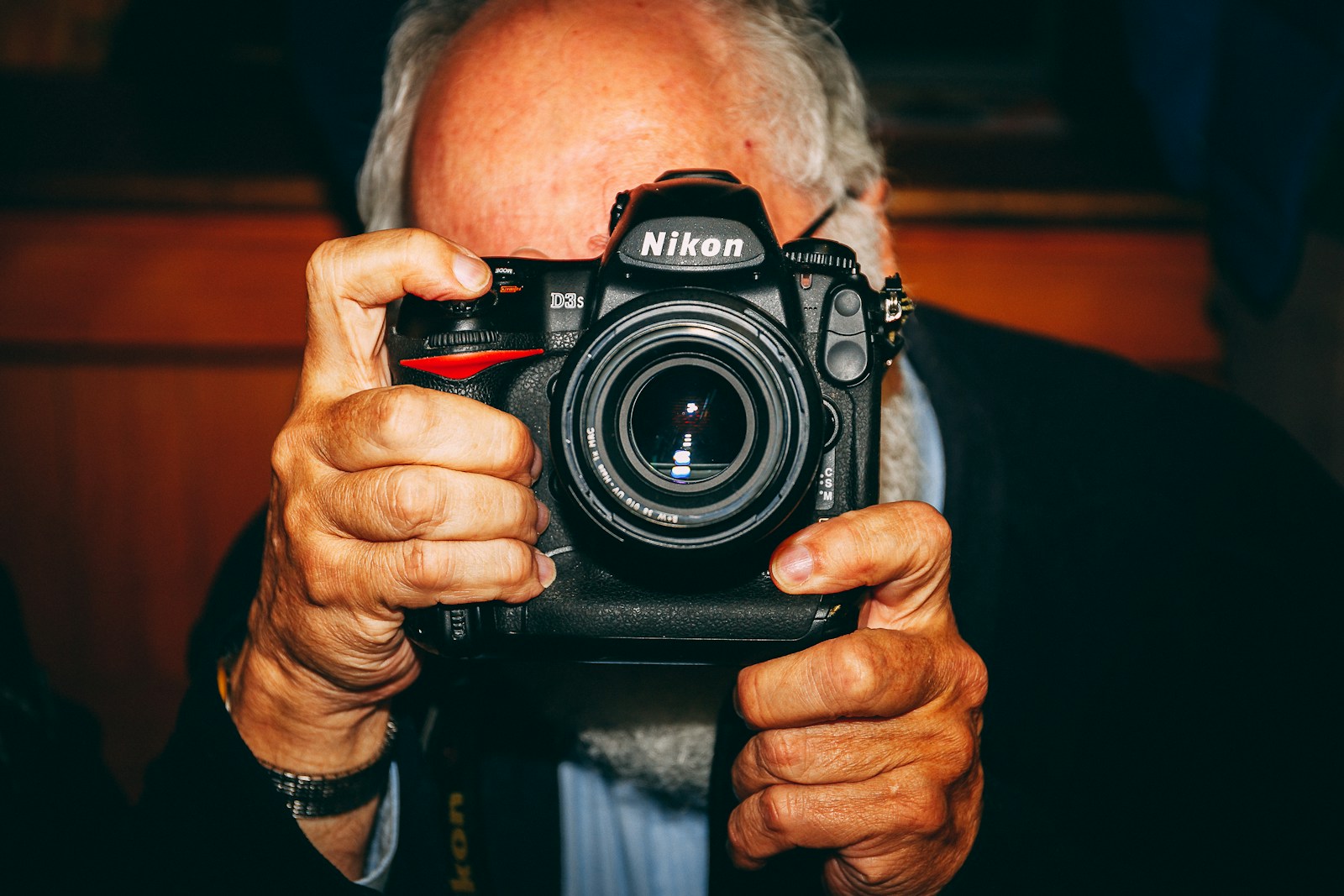

Best Entry-Level DSLR Cameras for Beginners in 2024: Unleash Your Inner Photographer
Introduction
Are you ready to elevate your photography game beyond smartphone snaps? Choosing your first DSLR camera can be both exciting and daunting. In 2024, entry-level DSLRs offer an enticing blend of professional features and user-friendly interfaces, perfect for aspiring photographers. This guide will walk you through the top contenders, helping you find the ideal camera to capture your world in stunning detail. Whether you're shooting landscapes, portraits, or your next adventure, your journey into serious photography starts here.
Top Entry-Level DSLR Cameras for Beginners in 2024
1. Canon EOS Rebel T8i (EOS 850D)
| Overview | The Canon EOS Rebel T8i strikes an excellent balance between ease of use and advanced features, making it a top choice for beginners looking to grow their skills. |
|---|---|
| Key Benefits | • 24.1MP APS-C CMOS sensor • DIGIC 8 image processor • 4K video capability • Vari-angle touchscreen LCD |
| Pricing | $749 - $849 (body only) |
| Pros | • Excellent image quality • User-friendly interface • Strong autofocus performance |
| Cons | • Plastic body may feel less premium • 4K video has some limitations |
2. Nikon D3500
| Overview | The Nikon D3500 is renowned for its simplicity and exceptional image quality, making it an ideal starting point for DSLR beginners. |
|---|---|
| Key Benefits | • 24.2MP DX-format sensor • ISO range of 100-25600 • 1080p video at 60fps • Bluetooth connectivity |
| Pricing | $399 - $499 (with kit lens) |
| Pros | • Compact and lightweight • Excellent battery life • Great value for money |
| Cons | • Fixed LCD screen • No 4K video capability |
3. Pentax K-70
| Overview | The Pentax K-70 offers weather-sealing and in-body stabilization, features rarely found in entry-level DSLRs, making it perfect for outdoor enthusiasts. |
|---|---|
| Key Benefits | • 24.24MP APS-C sensor • Weather-sealed body • In-body image stabilization • Pixel Shift Resolution |
| Pricing | $599 - $699 (body only) |
| Pros | • Robust build quality • Excellent image stabilization • Good low-light performance |
| Cons | • Slower autofocus compared to competitors • Limited lens selection |
4. Canon EOS 250D (Rebel SL3)
| Overview | The Canon EOS 250D, also known as the Rebel SL3, is one of the smallest and lightest DSLRs available, perfect for those prioritizing portability. |
|---|---|
| Key Benefits | • 24.1MP APS-C sensor • DIGIC 8 processor • 4K video capability • Vari-angle touchscreen |
| Pricing | $549 - $649 (with kit lens) |
| Pros | • Compact and lightweight • Excellent Dual Pixel autofocus • User-friendly interface |
| Cons | • Limited battery life • 4K video crop |
5. Nikon D5600
| Overview | The Nikon D5600 offers a great mix of image quality and features, with a particular strength in its articulating touchscreen, ideal for creative compositions. |
|---|---|
| Key Benefits | • 24.2MP DX-format sensor • 39-point autofocus system • Articulating touchscreen • Wi-Fi, NFC, and Bluetooth |
| Pricing | $599 - $699 (body only) |
| Pros | • Excellent image quality • User-friendly touchscreen interface • Good connectivity options |
| Cons | • No 4K video • Live view autofocus could be faster |
What Makes a Great Entry-Level DSLR for Beginners?
When choosing your first DSLR, consider these key factors:
- Sensor Size and Quality: Most entry-level DSLRs feature APS-C sensors, offering a good balance of image quality and affordability.
- Ease of Use: Look for cameras with intuitive interfaces and guided shooting modes to help you learn.
- Autofocus System: A reliable autofocus system is crucial for capturing sharp images, especially in challenging conditions.
- Connectivity: Wi-Fi and Bluetooth allow for easy sharing and remote control via smartphone apps.
- Lens Compatibility: Consider the range of lenses available for the camera system you choose.
- Video Capabilities: If you're interested in videography, look for cameras offering at least 1080p, with 4K being a bonus.
Buyer’s Guide: Research Methodology
| Criteria | Description | Importance |
|---|---|---|
| Image Quality | Evaluated sensor performance and overall image output | High |
| Ease of Use | Assessed user interface and learning curve for beginners | High |
| Build Quality | Considered durability and handling of the camera body | Medium |
| Feature Set | Analyzed available features relevant to beginners | Medium |
| Value | Compared price-to-performance ratio across models | High |
| Lens Ecosystem | Evaluated the range and affordability of compatible lenses | Medium |
Conclusion
Embarking on your DSLR journey is an exciting step towards elevating your photography skills. The Canon EOS Rebel T8i stands out for its balance of features and user-friendliness, while the Nikon D3500 offers exceptional value for absolute beginners. The Pentax K-70 is a unique option for those prioritizing durability. Remember, the best camera is the one that fits your specific needs and inspires you to shoot more. Consider renting or trying out these models at a local camera store before making your decision. With any of these entry-level DSLRs, you're well-equipped to start capturing life's moments in stunning detail.
FAQs
- Do I really need a DSLR, or could I start with a mirrorless camera?
While mirrorless cameras are gaining popularity, DSLRs still offer excellent value for beginners, with a wide range of affordable lenses and accessories. - How important is megapixel count when choosing a camera?
Megapixels aren't everything. For most beginners, anything above 20MP is more than sufficient for high-quality prints and digital sharing. - Can I use my entry-level DSLR for professional work?
Absolutely! While pro photographers often use higher-end gear, many have started their careers with entry-level DSLRs. It's the photographer, not just the camera, that makes great images. - How often should I expect to upgrade my DSLR?
With proper care, an entry-level DSLR can serve you well for 3-5 years or more. Many photographers choose to invest in better lenses before upgrading the camera body. - Are DSLRs becoming obsolete with the rise of mirrorless cameras?
While mirrorless technology is advancing rapidly, DSLRs remain relevant and continue to offer great value, especially for beginners. The DSLR market is still strong in 2024, with manufacturers continuing to support and develop for these systems.