

Best Mirrorless Cameras for Travel Photography in 2024
Introduction
Are you ready to capture the world in stunning detail? In 2024, mirrorless cameras have become the go-to choice for travel photographers, offering a perfect blend of portability, image quality, and versatility. Whether you're scaling mountains, exploring bustling cities, or documenting serene landscapes, the right camera can transform your travel experiences into timeless memories. This guide will help you navigate the top options, ensuring you find the perfect mirrorless companion for your globetrotting adventures.
Top Mirrorless Cameras for Travel Photography in 2024
1. Sony Alpha A7C II
| Overview | A compact full-frame powerhouse that doesn't compromise on image quality or features, making it ideal for travelers who demand professional-grade results. |
|---|---|
| Key Benefits | • Full-frame 33MP sensor • In-body image stabilization • Weather-sealed body • 4K/60p video capability |
| Pricing | $1,999 (body only) |
| Pros | • Excellent image quality • Compact size for a full-frame camera • Advanced autofocus system |
| Cons | • Limited physical controls • Single SD card slot |
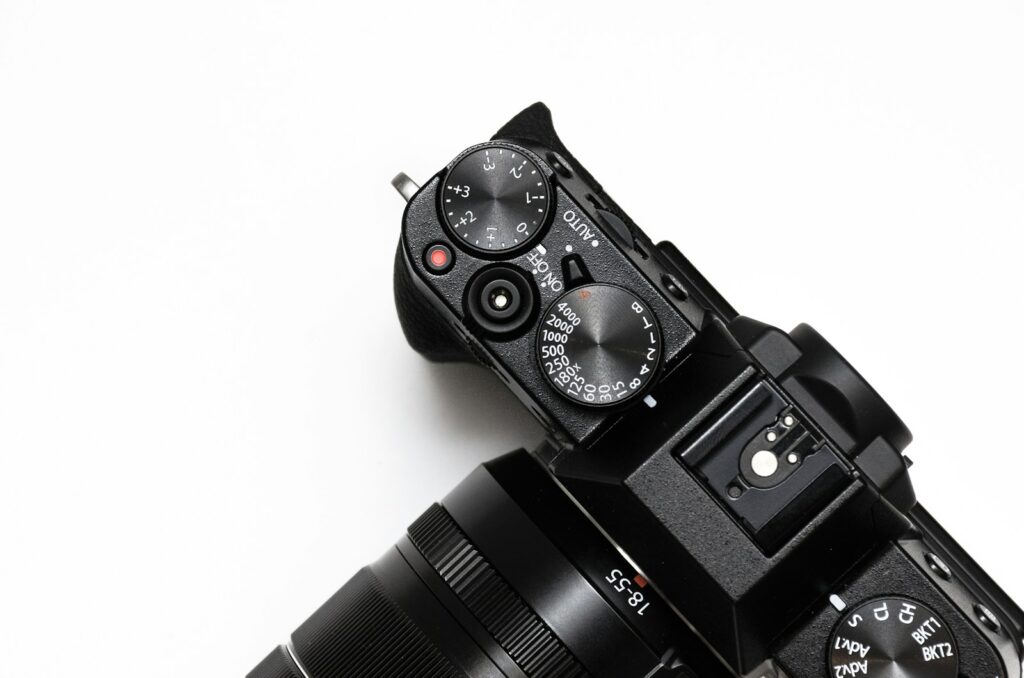
2. Fujifilm X-T5
| Overview | A retro-styled APS-C camera that combines classic design with modern technology, perfect for street and travel photography enthusiasts. |
|---|---|
| Key Benefits | • 40MP APS-C sensor • 5-axis in-body stabilization • Weather-resistant build • Up to 6.2K video recording |
| Pricing | $1,699 (body only) |
| Pros | • Exceptional image quality • Intuitive dial-based controls • Compact and lightweight |
| Cons | • No fully articulating screen • Autofocus not as advanced as some competitors |
3. Canon EOS R6 Mark II
| Overview | A versatile full-frame camera that excels in both stills and video, making it a great all-rounder for travel content creators. |
|---|---|
| Key Benefits | • 24.2MP full-frame sensor • 40 fps burst shooting • Dual pixel autofocus • 4K/60p 10-bit video |
| Pricing | $2,499 (body only) |
| Pros | • Excellent autofocus performance • Great low-light capability • Fully articulating touchscreen |
| Cons | • Higher price point • Relatively low resolution for the price |
4. Olympus OM-D E-M5 Mark III
| Overview | A compact Micro Four Thirds camera that offers robust weather sealing and advanced features in a travel-friendly package. |
|---|---|
| Key Benefits | • 20.4MP Micro Four Thirds sensor • 5-axis in-body stabilization • Weather-sealed construction • 4K video capability |
| Pricing | $1,199 (body only) |
| Pros | • Extremely compact and lightweight • Excellent weather sealing • Impressive image stabilization |
| Cons | • Smaller sensor size • Limited low-light performance compared to larger sensors |
5. Nikon Z5
| Overview | An entry-level full-frame mirrorless camera that offers great value for travelers looking to step up their photography game. |
|---|---|
| Key Benefits | • 24.3MP full-frame sensor • 5-axis in-body stabilization • Dual SD card slots • Weather-sealed body |
| Pricing | $1,299 (body only) |
| Pros | • Affordable full-frame option • Solid build quality • Good low-light performance |
| Cons | • Cropped 4K video • Slower burst rate compared to competitors |
What Makes a Great Mirrorless Camera for Travel Photography?
When choosing a mirrorless camera for your travels, consider these key factors:
- Size and Weight: Compact and lightweight designs are crucial for easy portability.
- Image Quality: Look for sensors that perform well in various lighting conditions.
- Weather Sealing: Protection against dust and moisture is essential for outdoor adventures.
- Battery Life: Longer battery life means less frequent charging during your trips.
- Lens Ecosystem: Consider the availability and quality of lenses for your chosen system.
- In-body Stabilization: This feature helps capture sharp images in low light or when shooting handheld.
- Connectivity: Built-in Wi-Fi and Bluetooth make it easier to share your travel photos on the go.
Buyer’s Guide: Research Methodology
| Criteria | Description | Importance |
|---|---|---|
| Image Quality | Evaluated based on sensor size, resolution, and low-light performance | High |
| Portability | Assessed by weight, size, and overall ergonomics | High |
| Durability | Tested for weather sealing and build quality | Medium |
| Features | Analyzed based on autofocus capability, stabilization, and video features | Medium |
| Value | Price-to-performance ratio compared across models | Medium |
| User Reviews | Aggregated feedback from travel photographers and enthusiasts | Low |
| Lens Options | Availability and quality of native and third-party lenses | Low |
Conclusion
Choosing the right mirrorless camera for your travel photography in 2024 depends on your specific needs and budget. The Sony Alpha A7C II stands out for its compact full-frame performance, while the Fujifilm X-T5 offers a unique blend of style and substance. For versatility, the Canon EOS R6 Mark II is hard to beat, and budget-conscious travelers should consider the Olympus OM-D E-M5 Mark III or Nikon Z5. Remember, the best camera is the one you'll actually carry and use on your adventures. Happy shooting and safe travels!
FAQs
- Are mirrorless cameras better than DSLRs for travel photography?
Mirrorless cameras are generally more compact and lightweight, making them ideal for travel. They also offer advanced features like electronic viewfinders and better video capabilities. - How important is weather sealing for a travel camera?
Weather sealing is crucial if you plan to shoot in various conditions or climates. It protects your camera from dust, moisture, and light rain, which are common challenges in travel photography. - Can I use my smartphone instead of a dedicated camera for travel photography?
While smartphone cameras have improved significantly, dedicated mirrorless cameras still offer superior image quality, better low-light performance, and more creative control. - What's the advantage of a full-frame sensor for travel photography?
Full-frame sensors generally offer better low-light performance and dynamic range, which can be beneficial for capturing diverse travel scenes. However, APS-C and Micro Four Thirds cameras can still produce excellent results while being more compact. - How do I choose the right lenses for travel photography?
Consider versatile zoom lenses that cover wide-angle to telephoto ranges. A 24-70mm or 24-105mm lens is often a great all-purpose travel lens. For more specific needs, add a wide-angle lens for landscapes or a telephoto for wildlife.


